 Save to Pinterest
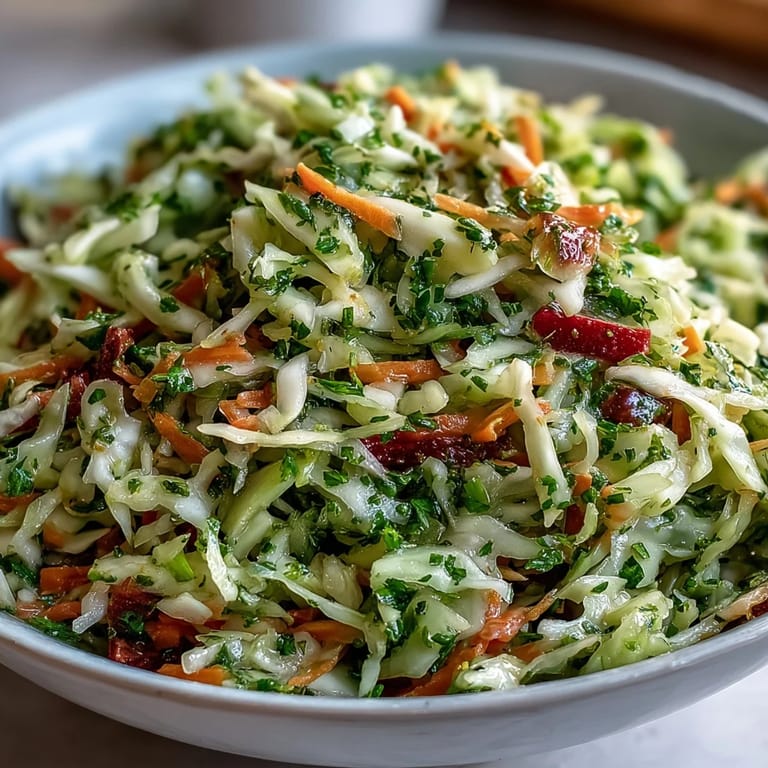
 My neighbor handed me a jar of her homemade sauerkraut one autumn morning, insisting I do something interesting with it beyond the usual hot dog topping. Standing in my kitchen with this tangy, pungent gift, I realized I'd been thinking about sauerkraut all wrong—as a condiment rather than a star ingredient. That afternoon, I threw together whatever crisp vegetables I had on hand, whipped up a simple vinaigrette, and created something that tasted like a farmer's market had been tossed into a bowl with intention and care.
I served this at a casual dinner party where everyone seemed exhausted from their week, and watching people's faces light up when they tasted how alive and bright it was reminded me why simple food matters. One guest asked for the recipe before she'd even finished her plate, and when I told her the whole thing took fifteen minutes, she looked genuinely shocked. That's when I understood this wasn't just a side dish—it was permission to make something nourishing and delicious without turning cooking into another thing to stress about.
Ingredients
- Sauerkraut, drained and lightly squeezed (1 ½ cups): This is your fermentation powerhouse, bringing tang and those beneficial probiotics without you having to ferment anything yourself—squeeze it gently to remove excess liquid so the slaw stays bright rather than soggy.
- Green cabbage, finely shredded (1 cup): The fresh cabbage adds crunch and mild sweetness that balances the sauerkraut's aggressive funk, making the whole dish feel balanced rather than one-note.
- Carrot, grated (1 medium): Carrots bring natural sweetness and a subtle earthiness that rounds out the flavors, plus they add color that makes people actually want to eat it.
- Red bell pepper, thinly sliced (½): This gives you visual pop and a gentle sweetness that keeps the slaw from feeling too sour or austere.
- Green onions, thinly sliced (2): They add a mild onion note and freshness that feels almost herbaceous—never overshadow the other flavors, just whisper underneath.
- Fresh parsley, chopped (2 tablespoons): A small handful brightens everything up and makes the slaw feel intentional rather than thrown together, even though it basically is.
- Extra-virgin olive oil (2 tablespoons): Use something you actually like tasting, because you'll taste it—this is the base of your dressing, not a vehicle for something else.
- Apple cider vinegar (1 tablespoon): This complements the sauerkraut's tanginess without fighting it, adding depth without harshness.
- Dijon mustard (1 teaspoon): A tiny amount emulsifies the dressing and adds a subtle complexity that makes people wonder what you did to make it taste so considered.
- Maple syrup or honey (½ teaspoon): Just enough sweetness to make the dressing feel balanced and complete without tasting sugary—trust the small amount.
- Ground black pepper (¼ teaspoon): Fresh pepper matters here more than anywhere else because you're not cooking it away.
- Salt, to taste: Start conservative since sauerkraut brings its own salt, then taste and adjust—this is your last chance to get it right.
Tired of Takeout? 🥡
Get 10 meals you can make faster than delivery arrives. Seriously.
One email. No spam. Unsubscribe anytime.
Instructions
- Gather your vegetables:
- Drain your sauerkraut and give it a gentle squeeze over the sink—you want to remove the excess brine so your finished slaw has texture rather than becoming a wet heap. Shred, grate, and slice everything else so you're ready to move quickly once you start combining.
- Build the base:
- Toss your drained sauerkraut, fresh cabbage, carrot, red pepper, green onions, and parsley into a large bowl, and notice how the colors look together—that's when you know something good is about to happen. Don't overthink this step; just get everything into the same place.
- Make the dressing:
- In a separate small bowl, whisk your olive oil, apple cider vinegar, Dijon mustard, maple syrup, pepper, and a pinch of salt until it looks glossy and emulsified. Taste it on your finger—it should make you pucker slightly and then feel satisfied, not aggressive or cloying.
- Bring it together:
- Pour that dressing over your vegetables and toss everything with your hands or two spoons until every piece is coated and glistening. This is the moment where separate ingredients become a dish, and it should feel almost exciting.
- Let it rest and taste:
- Set it aside for ten minutes so the flavors can get to know each other and the vegetables start releasing their juices into the dressing. Taste it before serving and adjust salt or pepper if needed—trust your palate more than the recipe at this point.
 Save to Pinterest
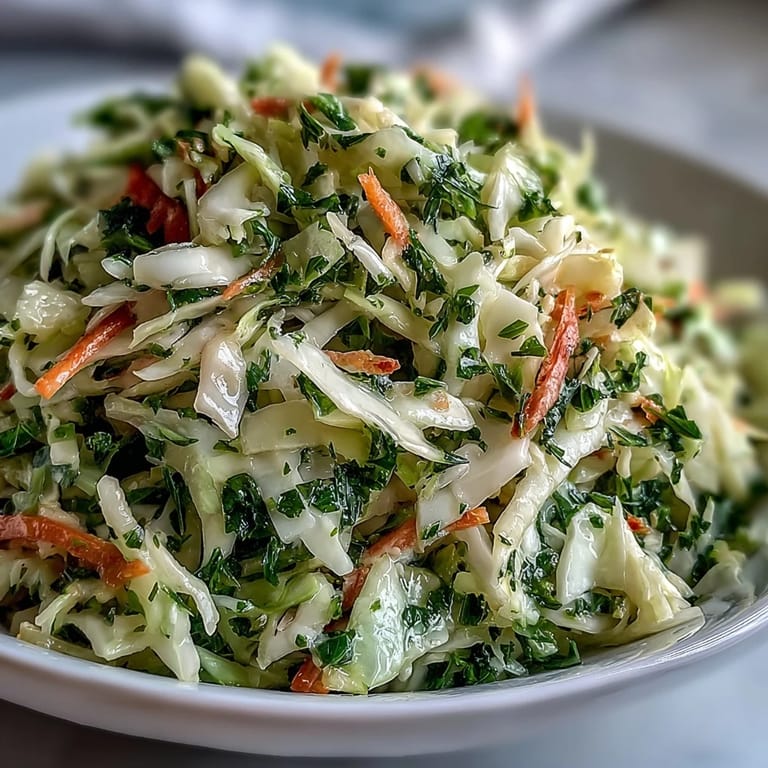
 My partner came home from work one day when I'd made this for lunch, took one bite straight from the bowl, and asked if I was hiding something nutritious in here—that's when I knew I'd created something that felt indulgent while actually being the opposite. That moment made me realize that food that's genuinely good for your body doesn't have to announce itself or taste like an obligation.
When to Serve This
This slaw is happiest alongside something rich or smoky—grilled sausages, charred fish, or pulled pork all become better when you have something this bright and crunchy to cut through them. I've also used it as a topping for sandwiches and as part of a cold lunch plate with cheese and leftover proteins, and it works equally well in both situations. The point is that it's flexible enough to fit wherever you need something alive and refreshing, but confident enough to hold its own without any supporting cast.
Variations and Additions
The base recipe is solid, but this is where you get to play around based on what you have and what your mood is. One week I added thinly sliced radishes and felt like a genius, another time I tossed in toasted sunflower seeds and suddenly it felt almost like a salad rather than a side dish. The sauerkraut is non-negotiable because that's the whole point, but everything else is an invitation to improvise and make it yours.
- Add radishes or fennel for extra crunch and a peppery note that cuts through the richness of whatever you're serving alongside it.
- Toss in toasted seeds (sunflower, pumpkin, or sesame) for texture and a subtle nutty flavor that makes it feel more substantial.
- If you want to use only sauerkraut and skip the fresh cabbage, go ahead—it's more intense but still absolutely delicious if that's what you're in the mood for.
Storage and Keeping
This slaw actually keeps beautifully in the refrigerator for up to three days, which means you can make it ahead and let it hang out until you need it. The flavors just deepen and get friendlier with time, so feel free to prep it the morning of your gathering rather than scrambling at the last minute.
 Save to Pinterest
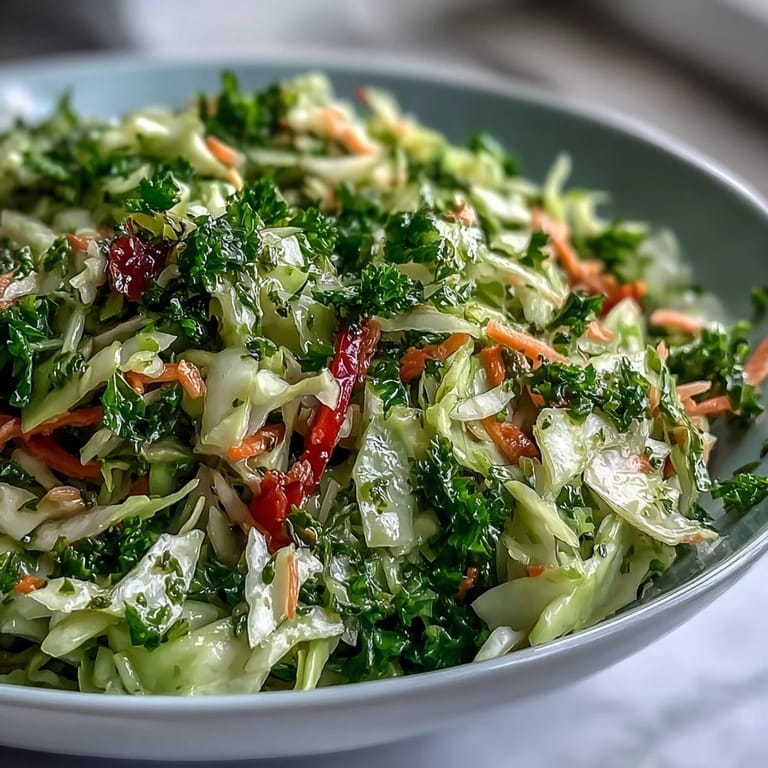
 This slaw reminds me that the best dishes are often the simplest ones, made from ingredients that each have something genuine to contribute. Make it once and it becomes your go-to; make it twice and you'll start imagining all the meals you can surround it with.
Recipe Questions & Answers
- → How long should I let the slaw sit before serving?
Let the slaw rest for 10 minutes after tossing with the dressing. This allows the vegetables to absorb the vinaigrette and flavors to meld together. You can also refrigerate it for several hours—the texture remains crisp and the tangy flavor intensifies.
- → Can I make this slaw ahead of time?
Absolutely. This slaw holds up well for 2-3 days when stored in an airtight container in the refrigerator. The cabbage retains its crunch, and the fermented sauerkraut actually benefits from extra time marinating in the vinaigrette.
- → What vegetables work well as additions?
Thinly sliced radishes, fennel, or jicama add extra crunch. You can also include cucumber ribbons or shredded Brussels sprouts for more variety while keeping the slaw light and refreshing.
- → Is homemade sauerkraut better than store-bought?
Quality sauerkraut makes a difference. Look for refrigerated brands with only cabbage and salt—avoid canned varieties with preservatives. The fermented probiotics and authentic tang really shine through when using high-quality sauerkraut.
- → What main dishes pair well with this slaw?
The tangy crunch balances beautifully with grilled bratwurst, pork chops, or smoked fish. It also works as a topping for Reuben sandwiches, alongside roasted potatoes, or as part of a German-inspired platter with mustard and pretzels.
- → Can I substitute the maple syrup?
Honey, agave nectar, or a pinch of brown sugar all work to balance the acidity. You can also omit the sweetener entirely if you prefer a sharper, more traditional fermented cabbage flavor profile.