 Save to Pinterest
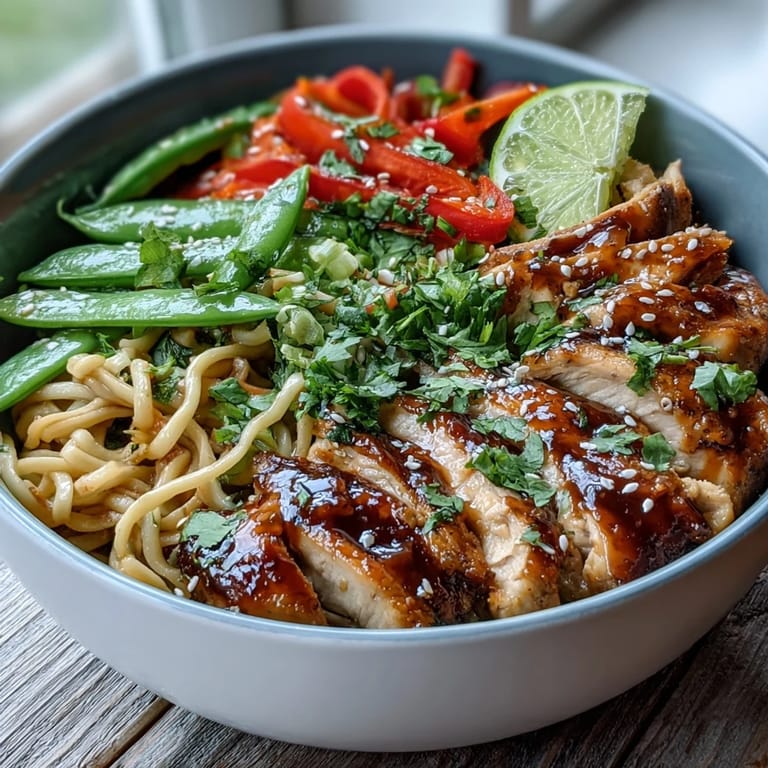
 There's something about the sound of a wok hitting high heat that makes me feel like I'm cooking somewhere far more interesting than my own kitchen. Years ago, I'd watch my neighbor through her window, the steam rising from her pan as she made these incredible noodle bowls that smelled like toasted sesame and ginger. One afternoon she finally invited me over, and I realized the magic wasn't complicated at all—just good timing, fresh vegetables, and a sauce that balanced sweet, salty, and nutty in the most satisfying way. Now this is what I make when I want something that feels both comforting and a little bit special.
I made this for my partner when they were recovering from the flu and craving something that tasted like actual food again instead of boring broth. The moment they finished the bowl, they looked up and said, 'I think I'm going to survive,' which I'm pretty sure counts as the highest compliment anyone's ever given me. That bowl became the meal we return to whenever we need comfort that doesn't feel heavy, and honestly, it's been that way ever since.
Ingredients
- Boneless, skinless chicken breast or thighs (500 g): Thighs are more forgiving if you're worried about drying them out, but breast works beautifully if you slice it thin and don't rush the cooking.
- Dried udon, soba, or rice noodles (250 g): Udon is my go-to because it has this satisfying chew, but use whatever you have—they all work.
- Red bell pepper, thinly sliced: The color matters here, not just for looks but because it stays slightly sweet when you don't overcook it.
- Medium carrot, julienned: Cut them thin so they soften just enough to eat without losing their snap.
- Sugar snap peas, trimmed (100 g): These are the ones that should stay crisp—they're the texture hero of the bowl.
- Spring onions, sliced: I learned to add these at the very end so they don't wilt into invisibility.
- Low-sodium soy sauce (60 ml): Low-sodium means you control the saltiness, which changes everything about how balanced the sauce feels.
- Brown sugar (2 tbsp): This rounds out the salty elements and makes the sauce glossy, not acidic.
- Toasted sesame oil (1 tbsp): Real toasted sesame oil, not the clear kind—it's the whole reason this tastes like itself.
- Rice vinegar (1 tbsp): It's gentle and lets the other flavors sing instead of shouting over them.
- Fresh ginger, grated (2 tsp): Fresh is non-negotiable here because the warmth and brightness make the whole dish.
- Garlic, minced (2 cloves): Two cloves is enough to notice without dominating.
- Cornstarch (1 tsp, optional): Use it if you like your sauce to coat the noodles like a gloss, skip it if you prefer things looser.
- Toasted sesame seeds (2 tbsp): Toast them yourself if you have time—the difference is real.
- Fresh coriander or cilantro, chopped: Brightness at the end, which you didn't know you needed until you taste it.
- Lime wedges (optional): A squeeze just before eating lifts everything up another notch.
Tired of Takeout? 🥡
Get 10 meals you can make faster than delivery arrives. Seriously.
One email. No spam. Unsubscribe anytime.
Instructions
- Start your noodles first:
- Boil a pot of water and cook the noodles exactly to package directions—not a minute more, because overcooked noodles turn mushy in the wok. Drain and rinse under cold water, which stops them from cooking further and keeps them separate.
- Mix your sauce while you wait:
- Whisk soy sauce, brown sugar, sesame oil, rice vinegar, ginger, garlic, and cornstarch together in a small bowl. Taste it on your finger—it should taste a little too sweet and salty because it'll balance once it coats the chicken and noodles.
- Get your wok hot:
- A large nonstick skillet or wok over medium-high heat needs a splash of oil and about a minute to really warm up. You'll know it's ready when a drop of water sizzles immediately instead of sitting there contemplating its existence.
- Cook the chicken until golden:
- Arrange the thin-sliced chicken in a single layer and let it sit for about 2 minutes before stirring—this is how it gets those golden edges instead of just turning pale. Four to five minutes total, and it should be cooked through with a little color.
- Stir-fry the vegetables just until they soften:
- Once the chicken comes out, add a touch more oil if the pan looks dry, then add bell pepper, carrot, and snap peas. Two to three minutes is your target—you want them to taste cooked but still feel alive when you bite them.
- Bring everything back together:
- Return the chicken to the pan, pour in the sauce, and toss everything constantly for about a minute. The sauce will thicken slightly and gloss everything beautifully—that's when you know it's working.
- Finish with the noodles:
- Add the cooked noodles and spring onions, tossing until everything is hot and coated. A minute or two, just enough to warm the noodles through without breaking them.
- Serve in bowls with all the garnishes:
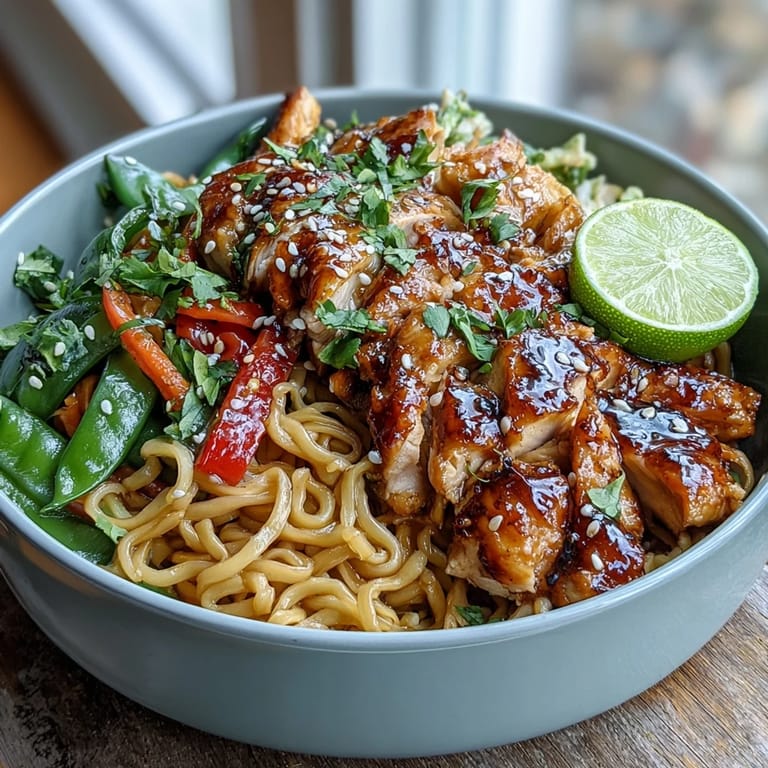
- Sesame seeds, cilantro, and lime wedges go on top, and everyone can adjust to their own taste.
 Save to Pinterest
 My sister made this when her teenagers' friends came over unexpectedly, and it somehow turned into this moment where everyone was standing around the kitchen talking about how good their food was instead of disappearing to their rooms. That's when I realized this bowl isn't just dinner—it's one of those dishes that makes people feel noticed because you didn't phone it in.
The Sesame Oil Question
I used to buy the cheap sesame oil that looked clear and disappointing, wondering why restaurant bowls tasted so much better than mine. Then someone explained that toasted sesame oil is the only kind that has any flavor, and suddenly everything clicked into place. Now I check the label for the word 'toasted' before I leave the store, because that single detail changes the entire result.
Building Your Own Variations
This recipe is honestly a template waiting for your own creativity. I've made it with roasted tofu for friends who don't eat chicken, with broccoli and mushrooms mixed in when I wanted something more substantial, and even with a splash of sriracha when I was in the mood for heat. The sauce is forgiving enough that you can swap vegetables without thinking too hard about it, as long as you cut them thin and remember that crispness is the goal.
Why This Sauce Works Every Time
The magic of this sauce comes down to balance—the soy sauce brings saltiness, the brown sugar adds body and a subtle sweetness, the ginger and garlic bring warmth and depth, and the sesame oil ties everything together with that distinctive toasted flavor. Rice vinegar keeps it from feeling heavy, and if you use cornstarch, it transforms from a thin liquid into something that actually clings to the noodles instead of pooling at the bottom of the bowl. Every single ingredient is there for a reason, but if you ever need to adjust, trust your taste buds over the recipe.
- Make the sauce ahead and refrigerate it—it keeps for a week and lets you throw dinner together in under twenty minutes.
- Taste as you go, especially the brown sugar level, because sweetness is personal and you might like it less sugary than written.
- Use high heat and keep everything moving so nothing steams instead of frying, which is the difference between crisp and soggy.
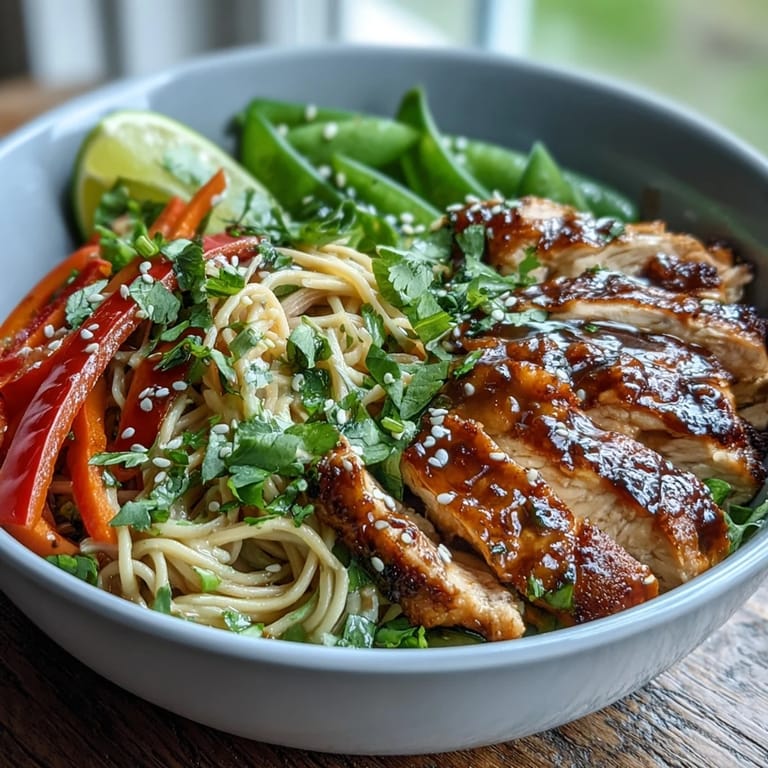 Save to Pinterest
 This bowl has become my comfort meal that doesn't feel like comfort food, and that's a rare thing to find. Make it when you need something that tastes like you tried without actually stressing out.
Recipe Questions & Answers
- → What type of noodles work best?
Udon, soba, or rice noodles all work beautifully. Udon offers chewy thickness, soba brings a nutty buckwheat flavor, and rice noodles stay light and delicate. Choose based on texture preference or what you have on hand.
- → Can I make this vegetarian?
Absolutely. Substitute the chicken with firm tofu, sliced into strips and pan-fried until golden before adding the vegetables. The sauce coats tofu just as well as chicken, creating a satisfying plant-based version.
- → How do I store leftovers?
Store components separately for best results. Keep noodles, chicken, and vegetables in airtight containers in the refrigerator for up to 3 days. Reheat gently in a skillet, adding a splash of water or extra sauce to refresh the coating.
- → Can I adjust the sauce sweetness?
Yes, the brown sugar quantity is flexible. Start with 1 tablespoon for mild sweetness and add more to taste. For a spicy kick, add red pepper flakes or a drizzle of chili oil along with the sauce.
- → Is this gluten-free?
The dish can be made gluten-free with simple swaps. Use tamari instead of soy sauce and choose gluten-free rice noodles or verify your udon/soba is certified gluten-free, as many contain wheat.
- → What other vegetables can I add?
Broccoli florets, sliced mushrooms, baby corn, snow peas, or bok choy all complement the flavors. Add heartier vegetables like broccoli earlier in the stir-fry process so they cook through, while delicate greens like spinach can be added at the very end.