 Save to Pinterest
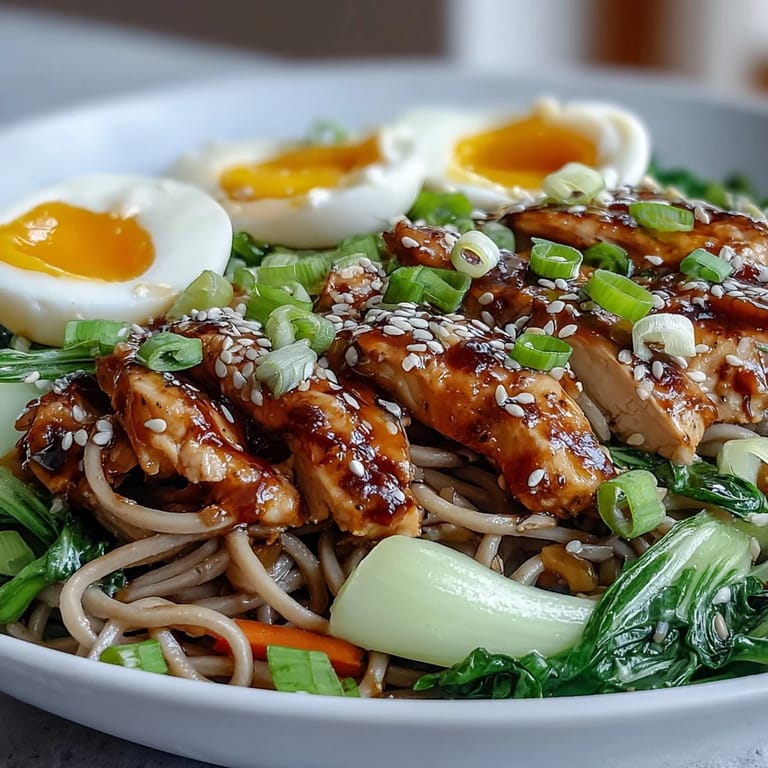
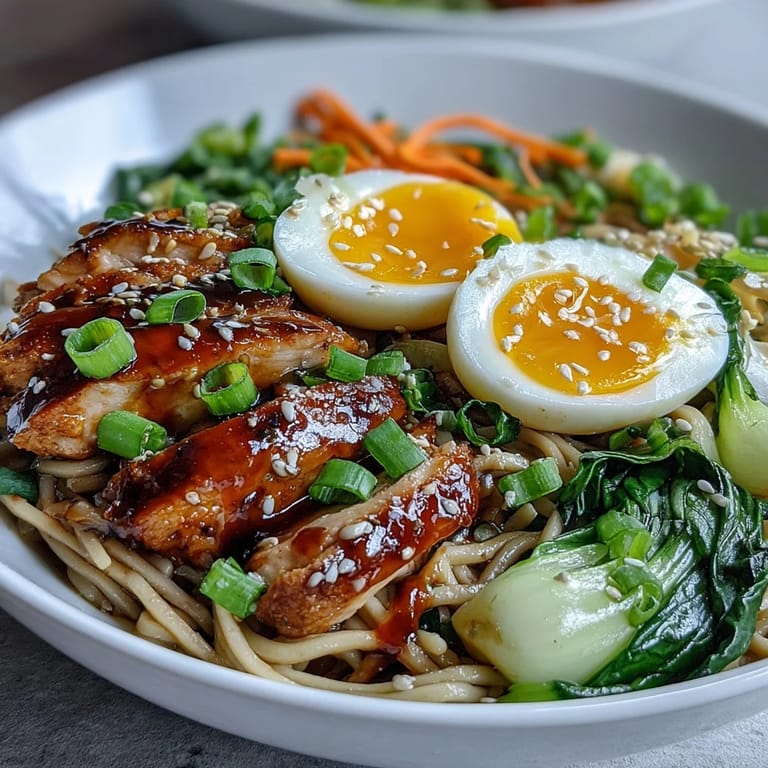
 My neighbor handed me a jar of miso paste one rainy Thursday, insisting I try it in something other than soup. I had a pack of soba noodles, some wilted bok choy, and leftover chicken thighs that needed using. What started as pantry improvisation turned into a bowl so comforting I made it three times that week. The umami depth from the miso, the chew of the noodles, and the way the soft-boiled egg yolk swirled into the broth created something I didn't know I was missing.
I made this for my sister after her night shift, and she sat at my kitchen counter in silence for ten minutes, just eating. She said it was the first thing all week that didn't feel rushed. That's when I realized this bowl isn't just food, it's a reset button. The warmth, the textures, the little pops of sesame and green onion, they all slow you down in the best way.
Ingredients
- Boneless, skinless chicken thighs or breasts: Thighs stay juicier and absorb the marinade better, but breasts work if you prefer leaner protein.
- White miso paste: This is the soul of the dish, sweet, salty, and deeply savory. Don't skip it or substitute with anything else.
- Low-sodium soy sauce: Controls the salt level so the miso can shine without overwhelming the broth.
- Rice vinegar: Adds brightness and balances the richness of the sesame oil and miso.
- Honey or maple syrup: A touch of sweetness caramelizes the chicken and rounds out the marinade.
- Fresh ginger: Grate it finely so it melts into the marinade and infuses every bite.
- Garlic: Minced small, it adds a gentle warmth without overpowering the miso.
- Toasted sesame oil: A few drops go a long way, use it sparingly for that nutty aroma.
- Soba noodles or whole wheat spaghetti: Soba has a slightly nutty taste that pairs beautifully with miso, but spaghetti works in a pinch.
- Low-sodium chicken broth: The base of your broth should be clean and flavorful without being too salty.
- Shiitake mushrooms: These add earthy depth and a meaty texture that complements the chicken.
- Carrot: Julienned thin, they cook quickly and add a pop of color and sweetness.
- Baby bok choy: Tender, mild, and perfect for soaking up broth.
- Snow peas: Crisp and sweet, they add a fresh crunch to every spoonful.
- Baby spinach or kale: Wilts beautifully into the broth and adds a boost of greens.
- Soft-boiled eggs: The runny yolk melts into the broth and creates a silky richness.
- Scallions: Sliced thin, they add a sharp, fresh bite that cuts through the richness.
- Toasted sesame seeds: Tiny but mighty, they add texture and a toasted flavor.
- Fresh cilantro or parsley: A handful of fresh herbs brightens the whole bowl.
- Nori strips: Optional, but they add a subtle ocean flavor that feels restaurant-quality.
- Chili oil or Sriracha: For those who like a little heat to wake up the palate.
Tired of Takeout? 🥡
Get 10 meals you can make faster than delivery arrives. Seriously.
One email. No spam. Unsubscribe anytime.
Instructions
- Prepare the Marinade:
- Whisk together miso paste, soy sauce, rice vinegar, honey, ginger, garlic, and sesame oil until the mixture is smooth and fragrant. This marinade should smell sweet, tangy, and deeply savory.
- Marinate the Chicken:
- Coat the chicken evenly in the marinade, cover, and refrigerate for at least 30 minutes. The longer it sits, the more flavor it absorbs, so if you have time, let it marinate overnight.
- Cook the Noodles:
- Boil the soba noodles until just al dente, then drain and rinse under cold water to stop the cooking. Toss with a few drops of sesame oil to keep them from clumping together.
- Grill the Chicken:
- Heat a grill pan or skillet over medium-high heat and cook the chicken for 4 to 5 minutes per side until the internal temperature reaches 165°F. Let it rest for 5 minutes before slicing so the juices redistribute.
- Build the Broth:
- Bring chicken broth and water to a gentle simmer, then whisk in the remaining miso paste until fully dissolved. The broth should taste savory with a hint of sweetness.
- Add the Vegetables:
- Simmer mushrooms, carrots, bok choy, and snow peas for 3 to 4 minutes until just tender. Stir in spinach or kale and remove from heat so the greens wilt but stay vibrant.
- Assemble the Bowls:
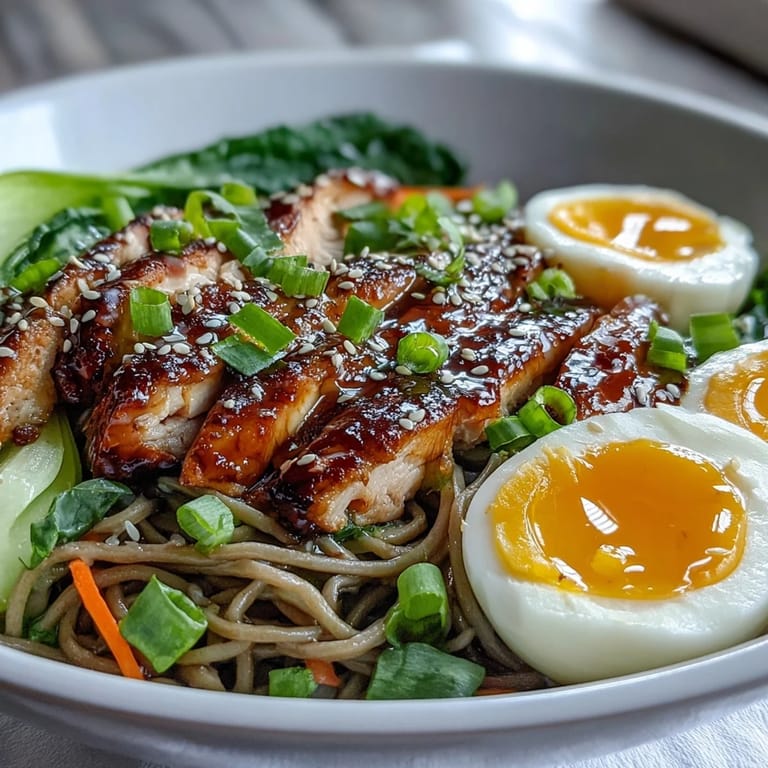
- Divide the noodles between two bowls, arrange sliced chicken on top, and ladle hot broth and vegetables over everything. The broth should pool around the noodles and coat the chicken.
- Top and Serve:
- Add soft-boiled egg halves, scallions, sesame seeds, cilantro, and nori strips. Drizzle with chili oil or Sriracha if you like heat, and serve immediately while everything is hot.
 Save to Pinterest
 The first time I served this to friends, one of them asked if I'd ordered takeout. When I told her I made it, she looked genuinely surprised. That moment reminded me that homemade food doesn't have to be complicated to feel special. Sometimes it just needs to be warm, flavorful, and made with a little intention.
Making It Your Own
This recipe is flexible in the best way. If you don't eat meat, swap the chicken for extra-firm tofu that's been pressed and marinated the same way. I've also used shrimp, thinly sliced beef, and even leftover rotisserie chicken when I was short on time. The broth stays the same, but the protein changes the whole vibe of the bowl. For a vegetarian version, use vegetable broth and load up on mushrooms and greens.
Timing and Prep Tricks
If you want to make this on a weeknight, marinate the chicken the night before and keep the broth components prepped in the fridge. When you get home, all you have to do is boil noodles, cook the chicken, and simmer the broth. I've also made the broth in advance and reheated it gently, adding the vegetables fresh so they don't overcook. The soft-boiled eggs can be made up to three days ahead and stored in the fridge, just peel and halve them right before serving.
Storage and Leftovers
Leftover broth keeps beautifully in the fridge for up to four days. I store it separately from the noodles and toppings so everything stays fresh. When reheating, bring the broth to a simmer, add fresh or leftover noodles, and top with whatever you have on hand. The chicken can be eaten cold on salads or reheated gently in the microwave.
- Store noodles, broth, and toppings in separate containers to avoid sogginess.
- Reheat broth gently on the stove, not in the microwave, to preserve flavor.
- Use leftover chicken in grain bowls, wraps, or salads for easy lunches.
 Save to Pinterest
 This bowl has become my go-to when I need something that feels like a hug from the inside out. I hope it does the same for you.
Recipe Questions & Answers
- → Can I make this dish vegetarian?
Yes, swap chicken for extra-firm tofu and use vegetable broth instead of chicken broth. Marinate the tofu the same way as the chicken for best flavor absorption.
- → How long should I marinate the chicken?
Marinate for at least 30 minutes, but overnight marinating yields deeper flavor. Bring chicken to room temperature before cooking for even results.
- → Can I use different noodles?
Soba noodles work beautifully, but whole wheat spaghetti, ramen noodles, or rice noodles are great alternatives. Cook according to package directions and rinse with cold water.
- → How do I store leftovers?
Store broth separately from noodles and toppings to prevent sogginess. Keep components in airtight containers in the refrigerator for up to 3 days. Reheat broth gently and combine before serving.
- → Is this dish gluten-free?
Use 100% buckwheat soba or certified gluten-free noodles and substitute tamari for soy sauce. Check all packaged ingredients for hidden gluten.
- → What vegetables can I substitute?
Broccoli florets, edamame, snap peas, or bell peppers work well. Adjust cooking times accordingly and add vegetables to the simmering broth in stages based on their tenderness needs.