 Save to Pinterest
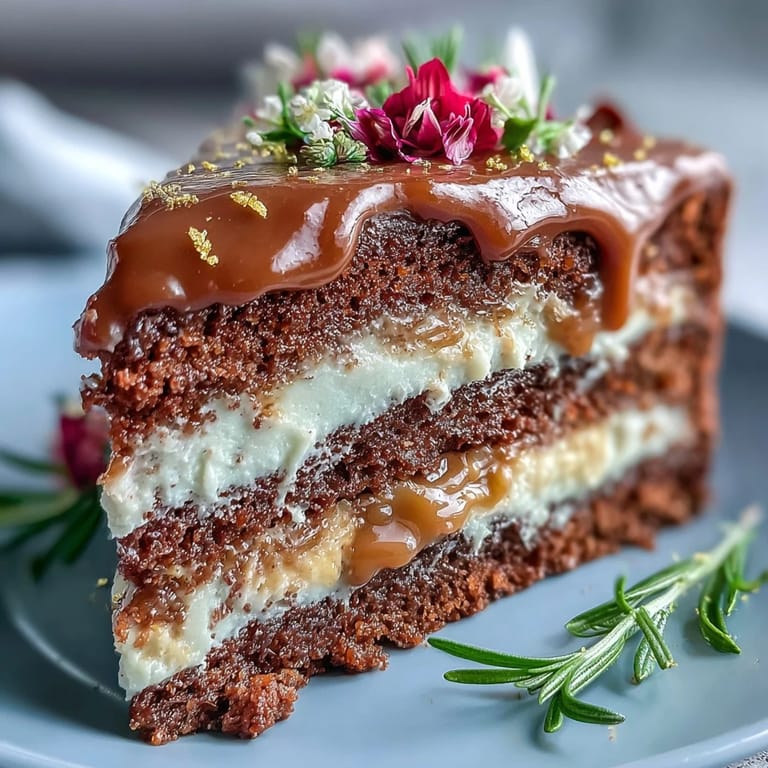
 When I first decided to bake a cake inspired by Taurus, what struck me wasn’t astrology—it was the idea of weaving earthy colors and gentle floral notes into something decadent and celebratory. I remember standing at my spice rack, sniffing jars of lavender and wondering if rose water would be too bold. There was a quiet thrill in blending butterscotch with flower petals, like letting the garden peek into the kitchen. The air grew sweet and buttery, and vibrant swirls of color dotted the buttercream as a subtle tribute to the fertile spirit of spring. It felt less like baking for a zodiac sign, and more like building a tiny, edible landscape.
I once brought this cake to a friend’s birthday picnic, and we sliced it under a blooming magnolia with curious bees circling the frosting. No one had ever eaten a cake quite like this; the whole group paused with the first floral bite, then started theorizing wildly about which herb they tasted or what made the crumb so tender. The afternoon turned into a gentle debate about favorite botanicals and whether gold leaf really added magic or just shimmer. People kept going back for second slivers, chasing the mystery in each bite. That day, I realized a cake can spark the kind of conversation you remember for years.
Ingredients
- All-purpose flour: Essential for structure—be sure to fluff and spoon it into the measuring cup for a lighter crumb.
- Baking powder and baking soda: Bring lift and tenderness; double-check your dates for best rise.
- Unsalted butter: Softened to room temperature gives the batter a luxurious, even base and keeps the buttercream extra smooth.
- Brown sugar: Deepens every layer with warmth and a caramel backbone; always pack it tightly for measuring.
- Eggs: Room temperature helps them blend seamlessly and creates a delicate, airy texture.
- Vanilla extract: Rounds out both cake and frosting with complexity; real extract is worth it here.
- Sour cream or plain yogurt: Adds subtle tang and long-lasting moistness; I like yogurt for a lighter crumb.
- Whole milk: Brings the batter together—use at room temperature to avoid curdling.
- Butterscotch sauce: Home-cooked for rich sweetness; let it cool so it doesn’t melt the batter.
- Powdered sugar: Sift it for a velvety, lump-free buttercream finish.
- Culinary rose water and dried lavender: Start with less, as their floral power magnifies; pulse lavender so it vanishes into the frosting.
- Natural colorants (matcha, beet, cocoa, turmeric, spirulina): Add color slowly until earth tones peek through—too much can sometimes shift the flavor.
- Edible flowers and fresh herbs: Always check your source; unsprayed and organic is safest for garnishes.
- Gold leaf or dust (optional): A final flourish if you’re feeling a bit extra!
Tired of Takeout? 🥡
Get 10 meals you can make faster than delivery arrives. Seriously.
One email. No spam. Unsubscribe anytime.
Instructions
- Start the ovens and line up your pans:
- Preheat the oven to 350°F (175°C) and line three 8-inch pans—parchment is your insurance against stuck cake.
- Make the golden butterscotch:
- Melt butter and brown sugar in a saucepan over medium heat; bubbles will hiss a little as you stir in the cream and simmer to a shiny caramel, then finish with vanilla and a pinch of salt. Let cool until it feels just warm when touched—hot sauce will melt your batter.
- Blend your dry and wet ingredients:
- Whisk flour, baking powder, soda, and salt, while in another bowl you cream butter with brown sugar until it’s pale and feathery. Beat in the eggs one by one, then vanilla, letting each disappear before adding the next.
- Bring the batter together:
- Stir in sour cream and the cooled butterscotch sauce. Alternate adding flour mixture and milk, starting and finishing with flour, mixing gently—overmixing leads to tough cake.
- Bake to fluffy gold:
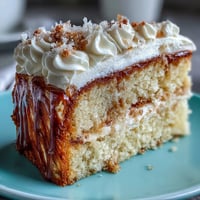
- Divide the batter evenly and bake 28–35 minutes, until a toothpick comes out with just a few crumbs. Cool 10 minutes in the pan, then lift out to finish cooling on racks.
- Whip the floral buttercream:
- Beat butter until almost cloudlike, sift in powdered sugar, and add milk as needed. Stir in rose water (plus ground lavender, if using) for delicate fragrance, then divide and color each portion with a little of your chosen natural hues.
- Stack and sweep on the color:
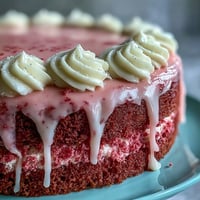
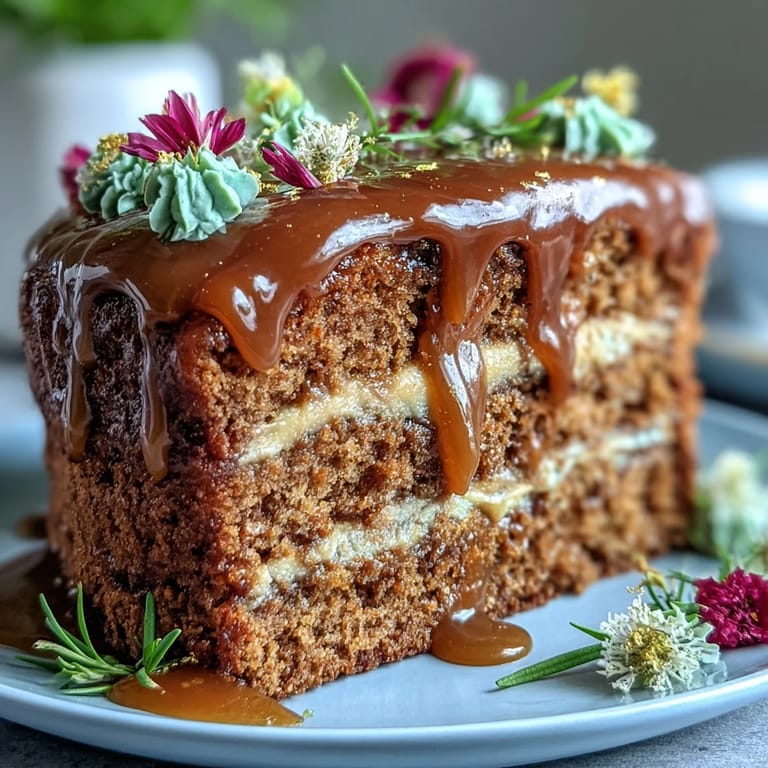
- Layer the cakes with swirls of buttercream, then cover the outside with the remaining frosting, blending earth tones in undulating patterns. Chill for 20 minutes; this helps set the shape for decorating.
- Adorn with flowers and herbs:
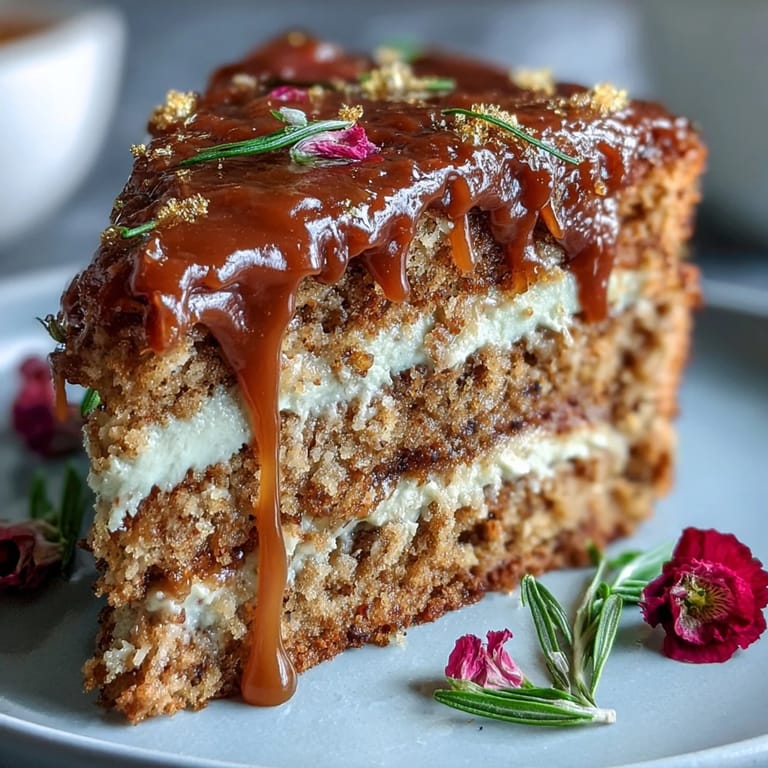
- Press edible blooms and snippets of herbs gently into the buttercream, finishing with flicks of gold if you like. Stand back and appreciate the living tapestry you’ve created!
 Save to Pinterest
  Save to Pinterest
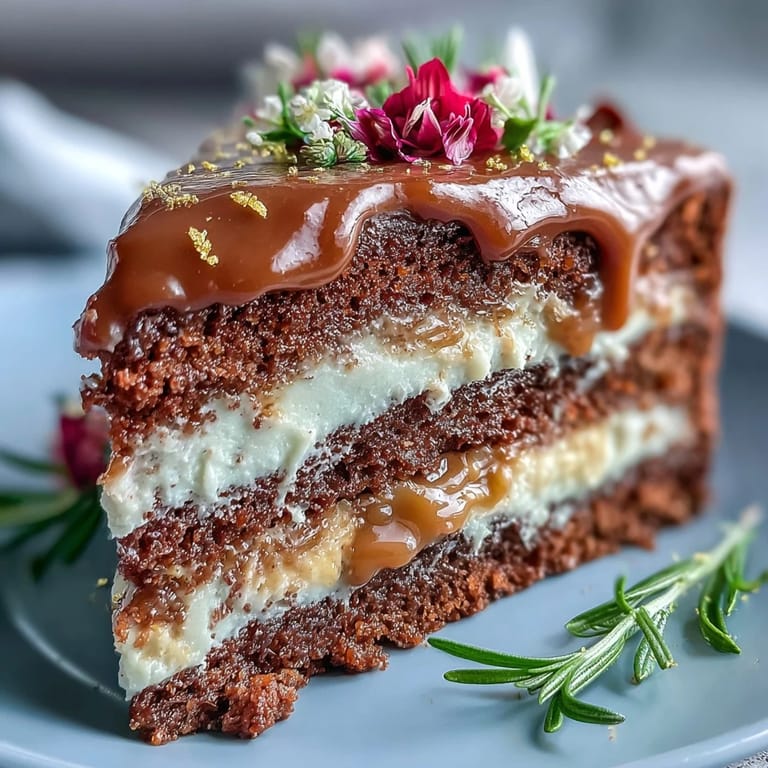
 The Taurus Cake earned mythic status in my circle the day we sliced it for a late spring brunch—there were sticky fingers, plenty of laughter, and no leftovers. I still catch a whiff of rose water and butterscotch whenever someone brings it up, even months later.
Working With Natural Color and Edible Flowers
Natural powders like matcha or beet don’t just create color—they influence taste in subtle ways. Use the edge of a spoon to control vibrancy, building up a palette that feels more forest and less neon bakery case. Edible flowers and herbs must come from trusted sources to avoid chemicals; I always buy from a local market or pick them from a pesticide-free yard. Once, I tried a random bouquet from the grocery store and regretted it—the flavor was bitter and a bit soapy. Real edible blooms add beauty but also a spectrum of delicate aromas if chosen wisely.
Mastering Butterscotch Cake Layers
The truth is, butterscotch cake needs patience—creaming the butter and sugar is a silent moment when you feel the batter change under your spoon. I once rushed the mixing and ended up with dense, damp layers that resembled a pudding rather than a cake. Slow, steady blending of ingredients pays off in feathered slices. Trust your nose: the batter’s caramel scent grows most intense just before baking. And don’t be afraid to trim any domed tops for neater stacking—it’s an extra treat for the baker.
How to Keep the Buttercream Light and Silky
Room-temperature butter is the secret to a cloudlike finish; anything colder will clump and refuse to whip smooth. If your mixture looks grainy mid-frosting, a spoonful of warm milk and a few extra whirls with the mixer save the day. Try not to overthink the swirling—imperfect ribbons of color are what make this cake feel alive. Let the cake chill slightly before adding decorations so every petal and leaf sticks in place.
- Don’t frost a warm cake or you’ll invite a slippery mess.
- Clean your spatula between color changes to keep earth tones distinct.
- Less is more—too many flowers compete with the flavors inside.
 Save to Pinterest
  Save to Pinterest
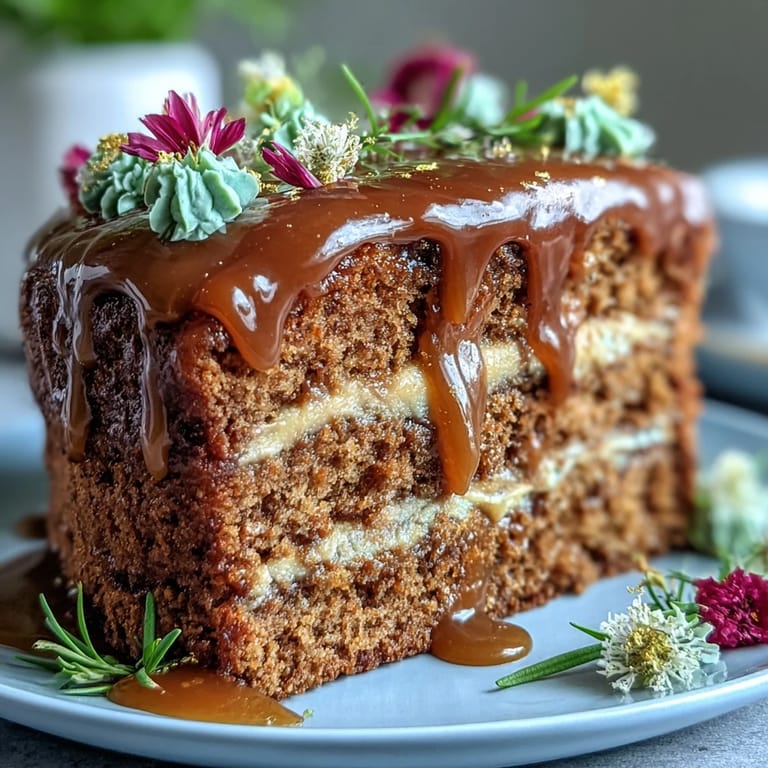
 However you decorate or share it, this Taurus Cake invites curiosity and a little whimsy. Here’s to your next slice bringing both beauty and conversation to the table.
Recipe Questions & Answers
- → How do I prevent the sponge from drying out?
Use room-temperature eggs and sour cream for moisture, avoid overmixing once flour is added, and test with a toothpick—remove when it comes out clean but still slightly moist. Let layers cool in pans 10 minutes before turning out to reduce tearing.
- → Can I swap rose water for another floral note?
Yes. Orange blossom water or a splash of vanilla provide different floral profiles; reduce strong floral extracts to avoid overpowering the butterscotch. Add sparingly and taste the buttercream as you go.
- → Which natural colorants work best for earth tones?
Matcha yields muted green, beet powder gives warm pinks, cocoa provides brown, turmeric creates golden yellow and spirulina adds deep green. Start with small amounts to build gentle, layered hues without altering texture.
- → How do I make a smooth, spreadable buttercream?
Beat unsalted butter until pale and fluffy, then gradually add sifted powdered sugar. Add 1–2 tablespoons of milk at a time to reach spreading consistency. Chill briefly if too soft before assembling layers.
- → What’s the best way to assemble and create the earth-tone swirl effect?
Divide buttercream into portions and tint each with different natural colorants. Apply a crumb coat, chill to set, then use an offset spatula to apply contrasting swirls and blend slightly for a layered, organic look before final chilling.
- → How should the finished cake be stored?
Keep covered at room temperature up to 3 days in a cool environment. If using fresh flowers or in warmer conditions, refrigerate and bring to room temperature before serving for best texture and flavor.