 Save to Pinterest
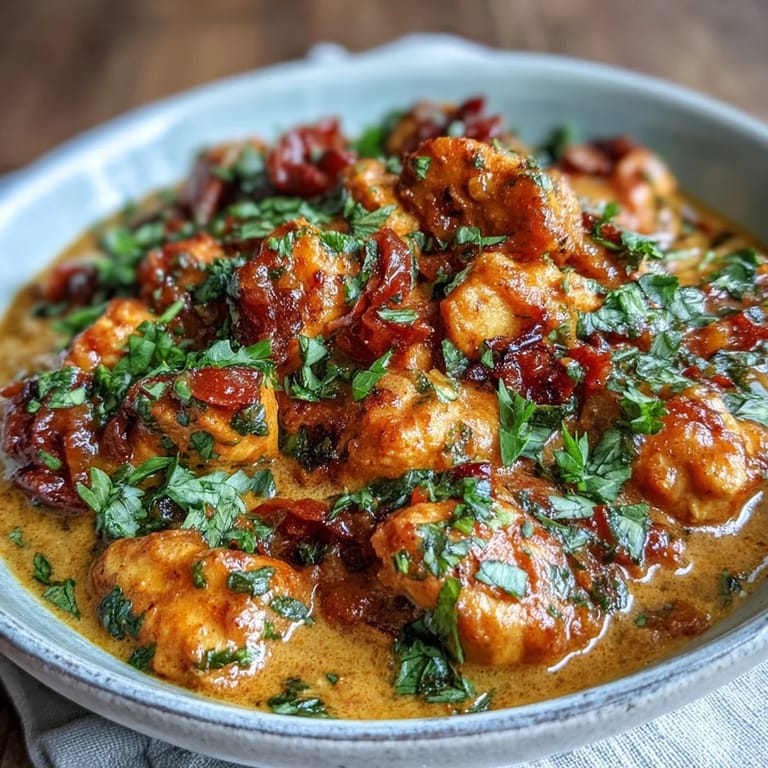
 The smell of toasted curry powder hit me before I even opened the front door that evening. My neighbor had invited me over for dinner, and what I tasted that night was softer, creamier, and somehow brighter than anything I'd tried from a takeout container. She laughed when I asked for the recipe, admitting she'd barely followed one herself. That loose, confident approach stuck with me, and now this chicken curry is my answer to every busy Tuesday and every craving for something warm and forgiving.
I made this for my parents the first time they visited my new apartment. The kitchen was tiny, the counters cluttered, but the curry bubbled away happily in my one good skillet. My dad went back for seconds, then thirds, scraping the pan with a piece of naan. My mom asked if I'd been taking cooking classes, and I didn't have the heart to tell her I'd just winged it based on a scribbled note and a vague memory of spices.
Ingredients
- Boneless, skinless chicken thighs: These stay tender and juicy even if you simmer a little longer, unlike breasts which can turn dry if you lose track of time.
- Onion: Chop it fine so it melts into the sauce, creating a sweet, savory base that holds everything together.
- Garlic and ginger: Fresh is best here, the sharpness fades quickly and turns mellow and fragrant once it hits the hot oil.
- Tomatoes: They break down into a thick, slightly acidic backdrop that tempers the richness of the cream.
- Plain whole-milk yogurt: This is what gives the curry its signature tang, stir it in slowly over low heat to prevent curdling.
- Heavy cream: Just a splash rounds out the sauce and gives it that silky, restaurant quality finish.
- Curry powder, cumin, coriander, turmeric, chili powder: Blooming these spices in the pan for a minute wakes up their flavor and fills the kitchen with warmth.
- Vegetable oil or ghee: Ghee adds a nutty depth, but any neutral oil works if that's what you have on hand.
- Water: Loosens the sauce just enough so it coats the chicken without being too thick or pasty.
- Fresh cilantro: A handful of chopped leaves at the end brightens everything and adds a pop of green.
Tired of Takeout? 🥡
Get 10 meals you can make faster than delivery arrives. Seriously.
One email. No spam. Unsubscribe anytime.
Instructions
- Soften the onions:
- Heat the oil or ghee in a large skillet over medium heat, then add the onions and let them cook slowly until they turn golden and sweet, about 5 minutes. This step builds the foundation of flavor, so don't rush it.
- Add the aromatics:
- Stir in the garlic and ginger, letting them sizzle for just a minute until the air smells sharp and lively. Any longer and they'll burn, so keep the heat steady.
- Brown the chicken:
- Toss in the chicken pieces and stir occasionally, letting them pick up a little color on all sides, about 5 minutes. They don't need to cook through yet, just get a good start.
- Bloom the spices:
- Sprinkle in the curry powder, cumin, coriander, turmeric, chili powder, salt, and pepper, stirring quickly to coat every piece of chicken. Cook for a minute to wake up the spices, you'll know it's ready when the fragrance deepens.
- Cook down the tomatoes:
- Add the chopped tomatoes and let them soften and break apart over 5 minutes, stirring now and then. They'll release their juice and start to thicken into a chunky base.
- Stir in the yogurt:
- Lower the heat before adding the yogurt, then mix it in gently and let everything simmer together for 10 minutes. Stir occasionally to keep it from sticking, and watch as the sauce turns creamy and golden.
- Finish with cream and water:
- Pour in the water and heavy cream, stirring until the sauce is smooth and silky. Simmer gently for another 5 to 10 minutes until the chicken is cooked through and the sauce clings to a spoon.
- Adjust and garnish:
- Taste the curry and add more salt or a pinch of chili if you want extra heat. Scatter fresh cilantro over the top and serve it hot with rice or naan.
 Save to Pinterest
 One night, I doubled the recipe without thinking and ended up with enough curry to fill every container in my fridge. I brought some to a friend who'd just had a baby, and she texted me later saying it was the first real meal she'd eaten in days. That's when I realized this curry wasn't just dinner, it was comfort in a pot, something you could share without fuss or ceremony.
Making It Your Own
If you want a little more complexity, stir in a pinch of garam masala right before you garnish. It adds a warm, slightly sweet note that layers beautifully over the other spices. I've also swapped the cream for coconut milk when I'm cooking for friends who avoid dairy, and the result is just as rich, with a subtle tropical undertone that works surprisingly well.
What to Serve It With
This curry begs for something to soak up the sauce. I usually make a pot of basmati rice, but warm naan or even a simple flatbread works just as well. A side of cucumber raita or a quick salad with lime juice cuts through the richness and keeps things feeling light. On nights when I'm extra hungry, I'll roast some cauliflower or green beans to round out the plate.
Storage and Leftovers
This curry keeps beautifully in the fridge for up to three days, and honestly, it tastes better the next day once the spices have had time to meld. I store it in a glass container and reheat it gently on the stove, adding a splash of water if it's thickened too much. You can also freeze it for up to two months, just let it cool completely first and leave a little headspace in the container.
- Reheat leftovers slowly over low heat to keep the sauce from breaking.
- If freezing, thaw overnight in the fridge before reheating for the best texture.
- Garnish with fresh cilantro each time you serve it, even if it's day three.
 Save to Pinterest
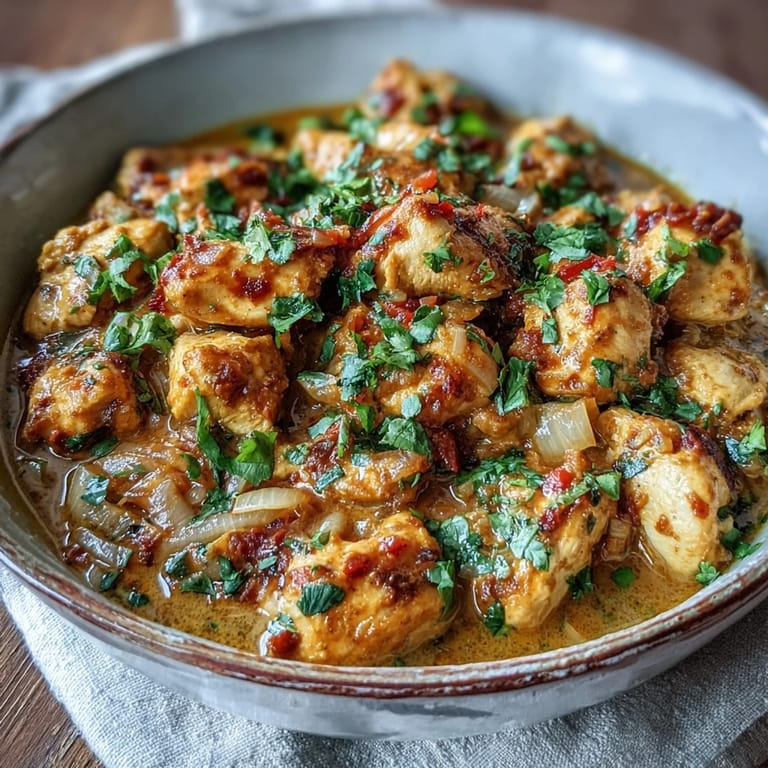
 This curry has become my go to whenever I need something reliable, warm, and a little bit special without much effort. It's the kind of dish that makes a Tuesday feel like a celebration, even if you're just eating it in your pajamas with a bowl of rice and a spoon.
Recipe Questions & Answers
- → Can I use chicken breast instead of thighs?
Yes, you can substitute chicken breast, but reduce the simmering time to prevent the meat from becoming dry. Chicken thighs are recommended for their tenderness and ability to stay moist during cooking.
- → How can I make this curry dairy-free?
Replace the yogurt and heavy cream with coconut milk for a rich, dairy-free alternative. This substitution adds a subtle sweetness that complements the spices beautifully.
- → What's the best way to adjust the spice level?
Control the heat by adjusting the chili powder amount or omitting it entirely for a milder curry. You can also add more at the end to suit your preference.
- → Can I prepare this curry in advance?
Absolutely! This curry actually tastes better the next day as the flavors meld together. Store in an airtight container in the refrigerator for up to 3 days and reheat gently on the stovetop.
- → What should I serve with this chicken curry?
This curry pairs perfectly with steamed basmati rice, warm naan bread, or even quinoa for a lighter option. Add a side of cucumber raita or a simple salad to complete the meal.
- → How do I know when the chicken is fully cooked?
The chicken is done when it reaches an internal temperature of 165°F (74°C) and is no longer pink in the center. The pieces should be tender and easily pierced with a fork.