 Save to Pinterest
 My uncle's kitchen on a humid Saturday afternoon smelled like hot oil and cornmeal, the kind of smell that made you hungry before you even sat down. He was frying catfish the way his mother taught him, and watching those fillets go from pale to golden in the bubbling oil felt like witnessing something sacred. There was a rhythm to it—the gentle sizzle, the precise timing, the way he knew exactly when to flip without even looking. That day I understood that soul food isn't just about ingredients; it's about respect for the work and the tradition wrapped up in every crispy bite.
I made this for my sister's birthday dinner last spring, and she actually closed her eyes while eating it. Not in a peaceful way, but in the way someone does when they're transported back to childhood or a memory they didn't know they were missing. Her kids asked for seconds before finishing their first pieces, and suddenly we were all crowded around the table, laughing with our mouths full, the remoulade sauce dripping onto our plates. That's when I realized this dish has a quiet power to bring people together without any fuss.
Ingredients
- Catfish fillets: Fresh or thawed catfish has a delicate flavor that doesn't need to hide under heavy seasoning, and it flakes beautifully when cooked just right.
- Buttermilk: This isn't just for tenderness; the acidity gently breaks down the fish and helps the coating stick like it's meant to.
- Hot sauce: A teaspoon mixed into the buttermilk adds a subtle kick that echoes through the whole dish.
- Yellow cornmeal: Use stone-ground if you can find it, because those flecks give you a more interesting texture than the super-fine stuff.
- All-purpose flour: The flour mixed with cornmeal creates structure; cornmeal alone can sometimes stay a bit soft inside.
- Paprika, garlic powder, and onion powder: These three are the holy trinity of the coating, each one adding warmth and depth without drowning out the fish.
- Cayenne pepper: Don't skip this even if you think you don't like spice; a half teaspoon is barely a whisper of heat.
- Vegetable oil: Keep it neutral so the fish flavor comes through, and make sure it's at a steady 350°F.
- Mayonnaise: Use good quality here because it's the base of your sauce, and you'll taste the difference.
- Dijon mustard: This brightens everything and prevents the sauce from feeling too heavy.
- Prepared horseradish: A little goes a long way, giving the sauce that sharp, wake-up-your-palate quality.
- Smoked paprika: In the sauce, this adds a depth that regular paprika can't quite reach.
- Fresh parsley: Chop it right before mixing so it stays vibrant and doesn't turn dark and tired-looking.
Tired of Takeout? 🥡
Get 10 meals you can make faster than delivery arrives. Seriously.
One email. No spam. Unsubscribe anytime.
Instructions
- Mix your buttermilk bath:
- Whisk buttermilk with hot sauce in a shallow dish until the sauce fully dissolves, then submerge your catfish fillets and let them sit for at least 15 minutes. This waiting time is when the magic happens, so don't rush it.
- Build your seasoning blend:
- Combine cornmeal, flour, paprika, garlic powder, onion powder, cayenne, salt, and black pepper in another shallow dish, stirring everything together so the spices distribute evenly. Take a moment to smell it; that's your sign you've got the seasoning balance right.
- Get your oil ready:
- Heat about an inch of vegetable oil in a deep skillet or Dutch oven to 350°F, testing the temperature with a thermometer or by dropping a tiny pinch of the coating mixture into the oil—it should sizzle immediately without burning. This temperature is your friend; too hot and the coating burns before the fish cooks through, too cool and you'll end up with greasy, sad fillets.
- Coat and fry with confidence:
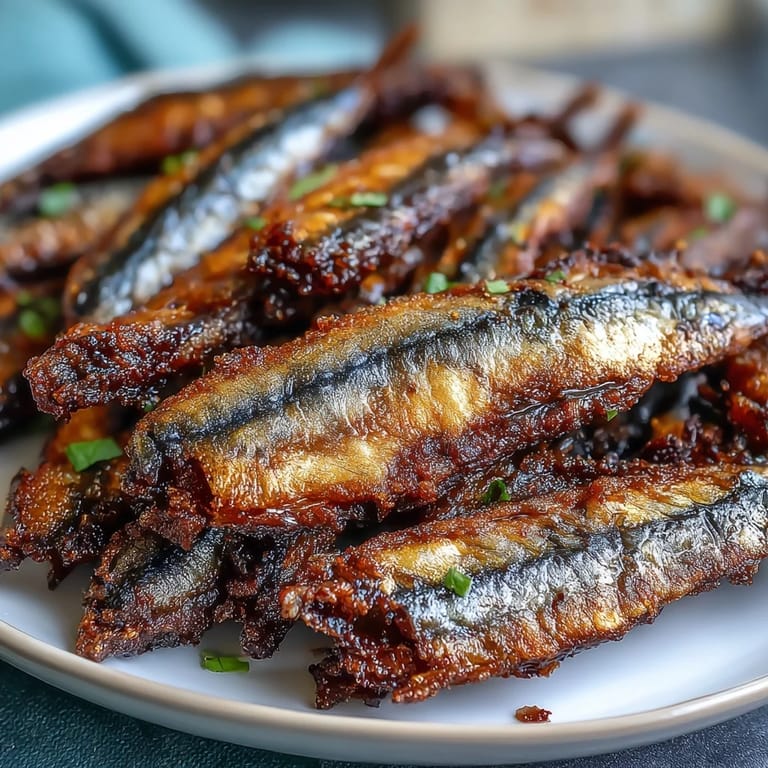
- Remove each fillet from the buttermilk, let the excess drip back into the dish, then press it gently into the cornmeal mixture, making sure both sides get an even, generous coating. Fry in batches for 3 to 4 minutes per side, resisting the urge to flip too early, until the crust turns a deep golden brown and flakes feel opaque when you peek inside.
- Make your remoulade sauce:
- While the fish drains on paper towels, whisk mayonnaise with Dijon mustard, horseradish, hot sauce, pickle relish, lemon juice, minced garlic, smoked paprika, and fresh parsley in a bowl, then taste and adjust the salt and pepper. This sauce should taste punchy and bright, ready to cut through the richness of the fried fish.
- Bring it all together:
- Serve the hot catfish fillets with the remoulade sauce spooned on the side or drizzled over the top, depending on your mood that day.
 Save to Pinterest
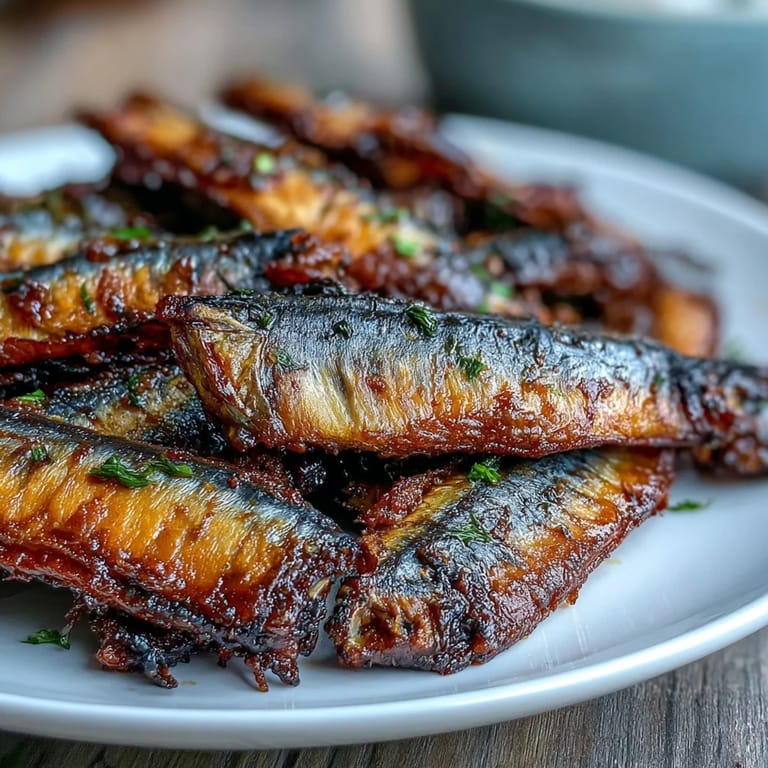
 There's something about fried catfish that feels like permission to slow down and enjoy a meal without apology. It's humble food that tastes expensive, messy food that feels elegant on a plate, casual cooking that somehow impresses everyone. I think that's why it's stuck around in Southern kitchens for generations.
Getting the Crust Just Right
The coating is where this dish lives or dies, and I've learned that patience matters more than technique. When you press the cornmeal mixture onto wet fish, you're creating a bond that will fry into something crispy and golden instead of flaking off halfway through cooking. The buttermilk is essential here because it's sticky enough to hold everything in place, but thin enough that excess drips away so you don't end up with a gummy layer underneath the crust. I've also noticed that letting the coated fillets sit on the counter for just a minute or two before they hit the oil seems to help the coating set and crisp up faster.
The Remoulade Sauce Magic
This sauce is basically mayonnaise that's been given a personality and told to be interesting. The horseradish and hot sauce provide heat and sharpness, the mustard adds tang, the pickle relish brings sweetness, and the smoked paprika ties it all together with a subtle smoky whisper. The lemon juice is what keeps it from tasting heavy, and fresh parsley is the final touch that says you cared enough to chop something green. Making it while the fish is still hot means it mingles with the warm fillets, softening slightly and coating every bite with flavor.
Sides and Serving Suggestions
Fried catfish deserves company, and there are some combinations that have proven themselves over decades of family dinners and church suppers. Creamy grits or coleslaw create a balance of textures and temperatures that make the whole meal feel complete. Hush puppies on the side turn it into a feast, though honestly if you're already frying oil, you might as well make some of those too. A simple green salad or steamed collard greens add a vegetable element without competing for attention.
- Serve everything piping hot while the crust is still crackling.
- Have extra remoulade sauce on hand because people will want more than you expect.
- This meal is best enjoyed immediately, so gather everyone around the table before anything cools down.
 Save to Pinterest
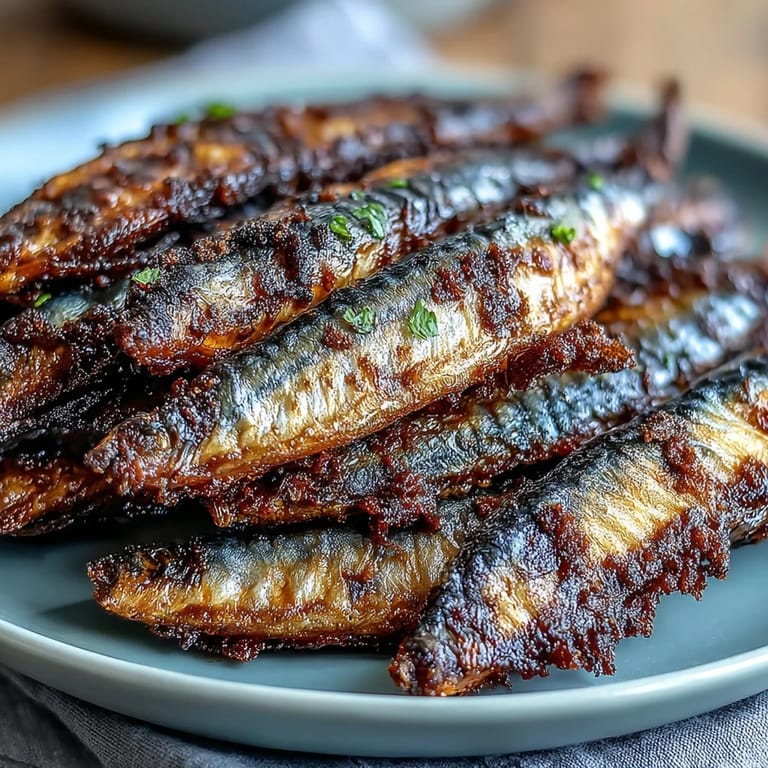
 This recipe is soul food in the truest sense, the kind of cooking that nourishes more than just your stomach. Make it for the people you love, and watch how a simple plate of fried catfish becomes the thing everyone remembers about the meal.
Recipe Questions & Answers
- → What type of fish is used for frying?
Catfish fillets, about 6 ounces each, are ideal for frying due to their firm texture and mild flavor.
- → How is the catfish seasoned before frying?
The fillets are marinated in a buttermilk and hot sauce mixture, then coated with cornmeal, flour, paprika, garlic, onion powders, cayenne, salt, and pepper for a flavorful crust.
- → What ingredients create the remoulade sauce?
The sauce combines mayonnaise, Dijon mustard, horseradish, hot sauce, sweet pickle relish, lemon juice, garlic, smoked paprika, and fresh parsley for a tangy and smoky finish.
- → Can I double-dip the fillets for extra crunch?
Yes, double-dipping the catfish by returning them to the buttermilk and dredging again in the cornmeal mixture before frying enhances the crispiness.
- → What oil temperature is best for frying?
Heat the vegetable oil to 350°F (175°C) to ensure a golden crust without absorbing excess oil.
- → Are there suitable fish alternatives?
Tilapia or cod can be used instead of catfish for a similar frying result and texture.